Muse of Arcana • Esoteric Craft, Folk Lore & Sacred Ritual
The Mystical Craft of Witchcraft: Ancient Roots, Types, Myths, Tarot & Ritual Recipes
From hearth-smoke and seasonal tides to candle flame, botanicals, and sacred stones—exploring the history, types of craft, myths, psychological depth, and living rituals of the path.
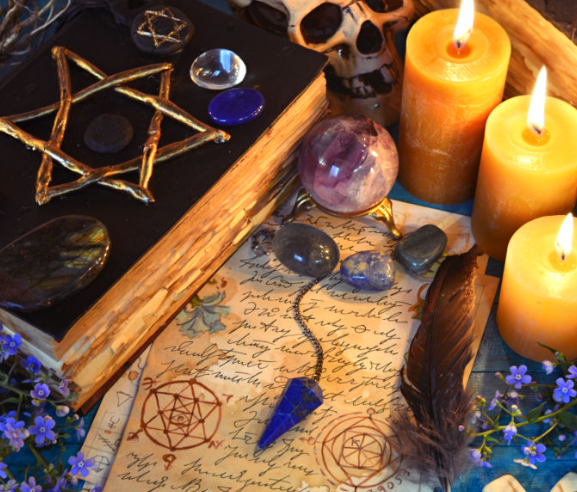
Long before modern screens, clockwork schedules, and sterile rooms, human beings lived inside a world that felt alive with breath, season, omen, and mystery. When people gathered herbs at dawn, watched the turning of the moon, tended a hearth fire, or spoke an intention with care, they were engaging in what across cultures and centuries became known as witchcraft—an old, multifaceted craft of working with nature’s symbols, timing, and inner will.
Stripped of sensational myths and fear-driven caricatures, traditional and esoteric witchcraft is fundamentally a craft of correspondence and deliberate intention. It treats the physical world—flame, smoke, resin, herb, water, earth, and mineral—as a tangible language through which a practitioner focuses attention, honors thresholds, and shapes a chosen state of being.
When It Emerged & Its Historical Journey
Witchcraft did not begin as a single book or a single founder; its roots stretch back into prehistoric folk magic, animism, herbalism, and ancestral ritual. Early communities relied on wise figures, healers, diviners, and craftspeople who knew local plants, weather signs, healing salves, blessings, and protective rites.
- Ancient & Folk Foundations: Across antiquity—in Mediterranean, Celtic, Germanic, Slavic, Near Eastern, and folk traditions worldwide—charms, herbal remedies, household protections, and seasonal rites were woven into everyday survival and spiritual life.
- Medieval Shifts & Moral Panics: Over the late Middle Ages and early modern period, shifting theological, legal, and social anxieties turned folk healing and cunning-craft into targets of suspicion and persecution—distorting the word “witch” for generations.
- Esoteric Revival & Modern Craft: By the nineteenth and twentieth centuries, ceremonial magic, folklore revival, nature spirituality, and modern pagan/esoteric movements reclaimed the craft—blending historical research, personal symbolism, and psychological self-awareness.
Arcane Note: Historically, many practitioners were “cunning folk” or village healers—people known for practical knowledge of herbs, lost items, soothing remedies, protective charms, and reading subtle signs long before formal medicine or modern counseling existed.
Types of Witchcraft: Paths, Elements & Expressions
Because witchcraft is a living craft rather than a rigid single church, practitioners gravitate toward different focal points depending on temperament, environment, and intention. Many blend several approaches rather than staying locked inside one label:
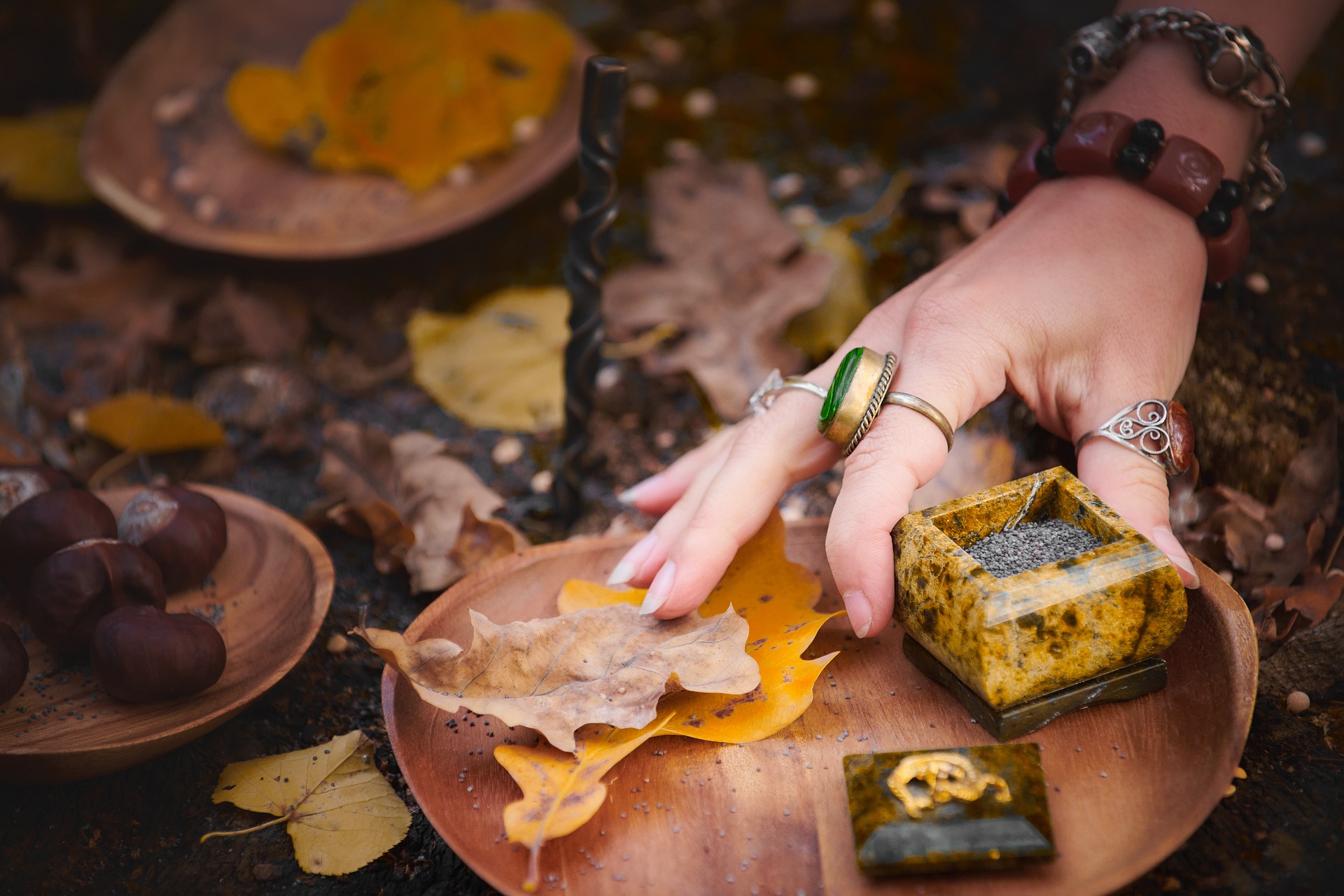
- Hearth & Kitchen Witchcraft: Centers on the home, warmth, nourishment, hospitality, and everyday domestic rhythms—treating cooking, tea-steeping, scent, and household care as mindful rituals of comfort and blessing.
- Green & Botanical Witchcraft: Works closely with plants, trees, resins, teas, and seasonal cycles—honoring the properties, folklore, and sensory presence of herbs and flora.
- Candle & Fire Craft: Focuses on flame, color correspondence, fragrance, and focused intention—using the steady glow of a candle as a visual beacon for clarity, courage, or release.
- Lunar & Celestial Craft: Attunes ritual timing to lunar phases, tides, solstices, equinoxes, and planetary moods—pacing creation, culmination, rest, and letting go with natural cycles.
- Divinatory & Cartomantic Craft: Weaves Tarot, oracle cards, lots, or scrying into ritual work to read symbolic currents, question assumptions, and gain perspective before acting.
- Shadow & Ancestral Work: Looks honestly at unspoken fears, emotional patterns, and family or cultural inheritance—seeking integration, self-respect, and healthier boundaries rather than illusion.
Myths, Legends & Esoteric Reality
Few subjects carry as much layered mythology—and as many misconceptions—as witchcraft. Across ancient storytelling and modern folklore, myths both preserve real symbolic truths and distort what practitioners actually do:
- Mythological Figures of Thresholds & Herbs: Ancient myths—from Circe and Medea in Greek lore to moon-and-crossroads goddesses like Hecate and folk tales of wise women and cunning folk—depicted figures who knew potent plants, spells, transformation, and hidden thresholds, often painted as dangerous because they stood outside ordinary control.
- Myth: “Witchcraft Is Devil Worship or Hollywood Sorcery”: Historically, the dramatic stereotypes of flying broomsticks, cauldrons bubbling green smoke, or pact-making were heavily shaped by folklore exaggeration and fear during witch trials—far removed from herbalists, folk healers, and modern contemplative practitioners.
- Myth: “A Candle or Crystal Automatically Forces Fate”: In grounded esoteric craft, stones, herbs, and flames do not override reality or free will by magic trickery; they anchor your attention, clarify your aim, and support deliberate choices in the physical world.
- Myth: “All Stones & Rituals Are the Same”: Every mineral, herb, and intention has its own character—which is why pairing and caring for crystals thoughtfully matters so much more than random guesswork.
Mythic Echo: In old folklore, thresholds—doorways, windowsills, crossroads, and twilight—were seen as places where worlds meet. Even today, lighting a candle or pulling a card at the end of a long day works like a modern threshold: a quiet line between outer rush and inner stillness.
How It Is Practiced & Its True Purpose
At its core, ritual craft is applied attention. Anyone can whisper a passing wish; ritual gives that wish structure, sensory weight, and a clear boundary in time. A practitioner gathers symbolic elements that match the mood of the work, clears mental clutter, states a clear intention, and closes the ritual cleanly.
The purpose of witchcraft varies with the practitioner and the season of life, yet most meaningful work centers on a few enduring aims:
- Protection & Boundaries: Guarding peace of mind, home atmosphere, emotional energy, and personal sovereignty against draining influences.
- Clarity, Courage & Momentum: Cutting through hesitation, sharpening focus before a decisive step, and aligning daily action with a clear goal.
- Healing, Release & Renewal: Marking grief, closure, or transition so old emotional weight can be set down and new space can open.
- Attunement to Cycles: Moving consciously with solstices, equinoxes, lunar phases, and inner emotional tides rather than living on constant autopilot.
How Ritual Craft Can Help the Psyche
From a psychological and depth perspective, ritual works deeply on the human mind even when approached without literalist dogma. Human beings are symbolic creatures: when we pair breath, stillness, scent, flame, and physical objects with a clear narrative, we speak directly to associative memory, emotion, and focus.
- Creating a Sacred Pause: Stepping out of constant noise and lighting a candle signals the nervous system to slow down, shift gears, and enter reflective presence.
- Externalizing Inner States: Putting a feeling or intention into a concrete symbol—such as releasing old tension or lighting a flame for clarity—helps you observe your inner state instead of being swallowed by it.
- Cultivating Agency & Self-Trust: Deliberate ritual reminds you that you are not merely swept along by events; you can choose your posture, name your boundaries, and commit to what matters.
Healthy practice always stays grounded: ritual supports reflection, resilience, and emotional steadiness, while licensed therapy, medical care, and real-world action remain essential when deeper psychological or practical support is needed.
The Connection Between Crystals & Witchcraft
In witchcraft and esoteric lore, crystals are prized as enduring anchors of earth, color, light, and elemental memory. Formed slowly inside the earth through heat, pressure, mineral solutions, or volcanic cooling, stones carry a quiet permanence that contrasts beautifully with fleeting thoughts and changing moods.
Practitioners weave crystals into ritual through elemental resonance (Fire, Earth, Air, Water), color symbolism, and tactile focus:
- Tactile Grounding: Holding a cool stone—such as Smoky Quartz, Obsidian, or Red Jasper—gives the body an immediate physical point of contact when the mind feels scattered.
- Symbolic & Elemental Alignment: Stones act as visual and energetic focal points around a candle or altar—echoing themes like clarity (Clear Quartz, Fluorite), calm and intuition (Amethyst, Labradorite), or heart warmth (Rose Quartz).
- Mindful Care & Purification: Cleansing a stone with smoke, sound, moonlight, or tailored care reinforces intentionality—and reminds you to match your method to each stone’s mineral nature.
Did you know? In candle and altar work, placing crystals beside or around the candle dish—rather than dropping loose stones directly into hot wax or open flame—keeps both your ritual space and your minerals safe from thermal shock or wax buildup.
The Bridge Between Witchcraft and Tarot: Counsel Before the Flame
Witchcraft and Tarot are natural companions because both speak the same fluent dialect of symbol, correspondence, timing, and inner alignment. Where ritual shapes atmosphere and directs focus, Tarot acts as a symbolic mirror—illuminating what is already moving beneath the surface before you act or light a candle.
- Diagnosing Before Acting: Pulling a Tarot spread before a ritual helps clarify what actually needs attention—whether it is setting a firm boundary, releasing grief, sharpening focus, or accepting a necessary pause rather than forcing an outcome.
- Elemental & Archetypal Resonance: Tarot’s four suits—Wands (Fire), Cups (Water), Swords (Air), and Pentacles (Earth)—echo the elemental logic used in crystal and candle work, while Major Arcana keys like The Hermit, The Moon, Strength, or The Star can anchor the theme of a ritual.
- Integrating the Outcome: A card drawn after ritual contemplation offers a grounded reflection on how to carry the insight back into everyday choices—keeping cartomancy and craft tethered to wisdom rather than impulse.
Ritual Recipes: Crystals, Candles & Botanicals
Below are five atmospheric ritual recipes blending candlelight, botanicals/herbs, and crystals (keeping stone pairings focused and harmonious). Always practice fire safety: burn candles on a heat-safe surface away from drafts or flammable leaves.
1. Hearth of Clarity & Decisive Fire
- Candle & Scent: Warm golden/amber candle or Avocado & Sandalwood / Oriental Spices.
- Crystals (2): Citrine + Smoky Quartz (drive paired with grounded stability).
- Botanicals: Rosemary leaf (clarity & remembrance) and a pinch of cinnamon or bay leaf (warmth & resolve).
- Ritual Flow: Light the candle, breathe slowly for three rounds, state one clear objective aloud, and work for twenty focused minutes in its glow.
2. Midnight Veil & Quiet Intuition
- Candle & Scent: Deep indigo/violet or ivory candle, or Violet & Rainwater / Lavender & Orchid.
- Crystals (2): Labradorite + Amethyst (threshold insight & serene stillness).
- Botanicals: Mugwort or lavender buds (dream/quietude) and a touch of frankincense or star anise.
- Ritual Flow: Dim harsh lights, place the stones near your deck or journal, watch the flame without forcing answers, and note subtle impressions afterward.
3. Velvet Rose & Softened Heart
- Candle & Scent: Soft rose or cream candle, or Velvet Rose & Jasmin / Lavender & Orchid.
- Crystals (2): Rose Quartz + Green Aventurine (gentle heart care & open renewal).
- Botanicals: Dried rose petals, chamomile flowers, and a hint of sweet marjoram or vanilla bean.
- Ritual Flow: Sit quietly with a warm cup of tea, release self-criticism from the day, and speak one compassionate boundary or kindness toward yourself.
4. Obsidian Threshold & Sovereign Shield
- Candle & Scent: Charcoal/white candle or Avocado & Sandalwood / Violet & Rainwater.
- Crystals (2): Obsidian + Snowflake Obsidian (truthful shadow mirror & calm centering).
- Botanicals: Dried sage or cedar/pine needles (cleansing) and black peppercorn or clove (firm boundary).
- Ritual Flow: Visualize draining external noise and tension away from your space, affirm where your energy belongs, and extinguish the flame mindfully when complete.
5. Moss & Rainwater Slow Bloom
- Candle & Scent: Forest-green or soft mist candle, or Violet & Rainwater / Avocado & Sandalwood.
- Crystals (2): Moss Agate + Amazonite (organic growth & calm poise).
- Botanicals: Green tea leaves, basil or mint leaf (freshness & renewal), and dried linden blossom.
- Ritual Flow: Ideal after a stressful stretch—set an intention for steady, realistic steps rather than overnight perfection, letting calm pace guide the week.
Arcane Closing: Whether you call it witchcraft, ritual craft, or sacred mindfulness, the real magic lives in presence: tending the flame with reverence, honoring the symbols in your hands, and walking back into ordinary life clearer, steadier, and awake.