Muse of Arcana • Card History & East–West Traditions
Early Playing Cards & Tarot Decks in China: Paper Roots and Mythic Symbolism
Tracing how Chinese paper-card traditions shaped early card games and later inspired Tarot decks rooted in Chinese lore.
When historians trace the broader story of playing cards, China holds a foundational place: paper money and early printed paper cards—such as money-suited cards during the Tang and Song dynasties—predated European playing cards by centuries. While classical Western Tarot (with its specific 78-card triumph-and-suit structure) crystallized in Renaissance Italy, early Chinese card traditions helped pave the way for portable, illustrated card systems across Eurasia.
From Early Chinese Paper Cards to Modern Chinese-Themed Tarot
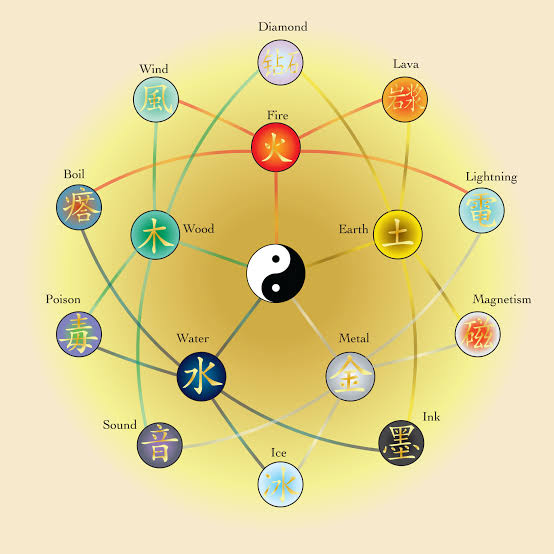
In contemporary practice, a “Chinese Tarot deck” usually refers to a modern 78-card Tarot deck reimagined through Chinese mythology, philosophy, and visual motifs—drawing on Daoist balance, yin and yang, the Five Elements (Wu Xing), lunar festivals, or classic legends—rather than an ancient 78-card Italian-style Tarot deck dug up from antiquity.
- Paper & Suit Heritage: Early Chinese card games used structured suits and denominations long before paper became common for cards in Europe.
- Cultural Translation: Modern creators adapt Tarot’s archetypal seats (ruler, seeker, transition, insight, challenge) using Chinese symbolic imagery so practitioners can read through a different cultural lens.
- Divination vs. Tarot: Traditional Chinese divination historically relied heavily on systems like the I Ching (yarrow stalks or coins) and astrology, while Tarot-format decks blending Chinese imagery are modern cross-cultural creations.
Did you know? Separating historical fact from romanticized myth makes any reading stronger: China is central to the early history of paper cards, Renaissance Italy gave us the earliest known Tarot decks, and Chinese-themed Tarot decks are modern artistic bridges between archetypal card structure and Chinese symbolism.
Reading With Cross-Cultural Archetypes
Whether a deck uses classic Renaissance symbols or imagery inspired by Chinese folklore, the core function remains the same: giving shape to human dilemmas—ambition, restraint, timing, loyalty, and change—in a way that sparks honest self-inquiry.